

Ústřice
Geopark – Geoturistika






Kde se to tu vzalo?
Ústřice
Proč jsou tak hojné?
Až pojedete k moři, zkuste najít nějaké skalky omývané mořskou vodou. Uvidíte, že velká část pro vás
viditelného mořského života je vázána právě na ně. A převážné množství těch organismů budou tvořit mlži,
tedy nějaké mušle. A možná budete právě na místě, kde ony ústřice budou nejhojnějším zástupcem
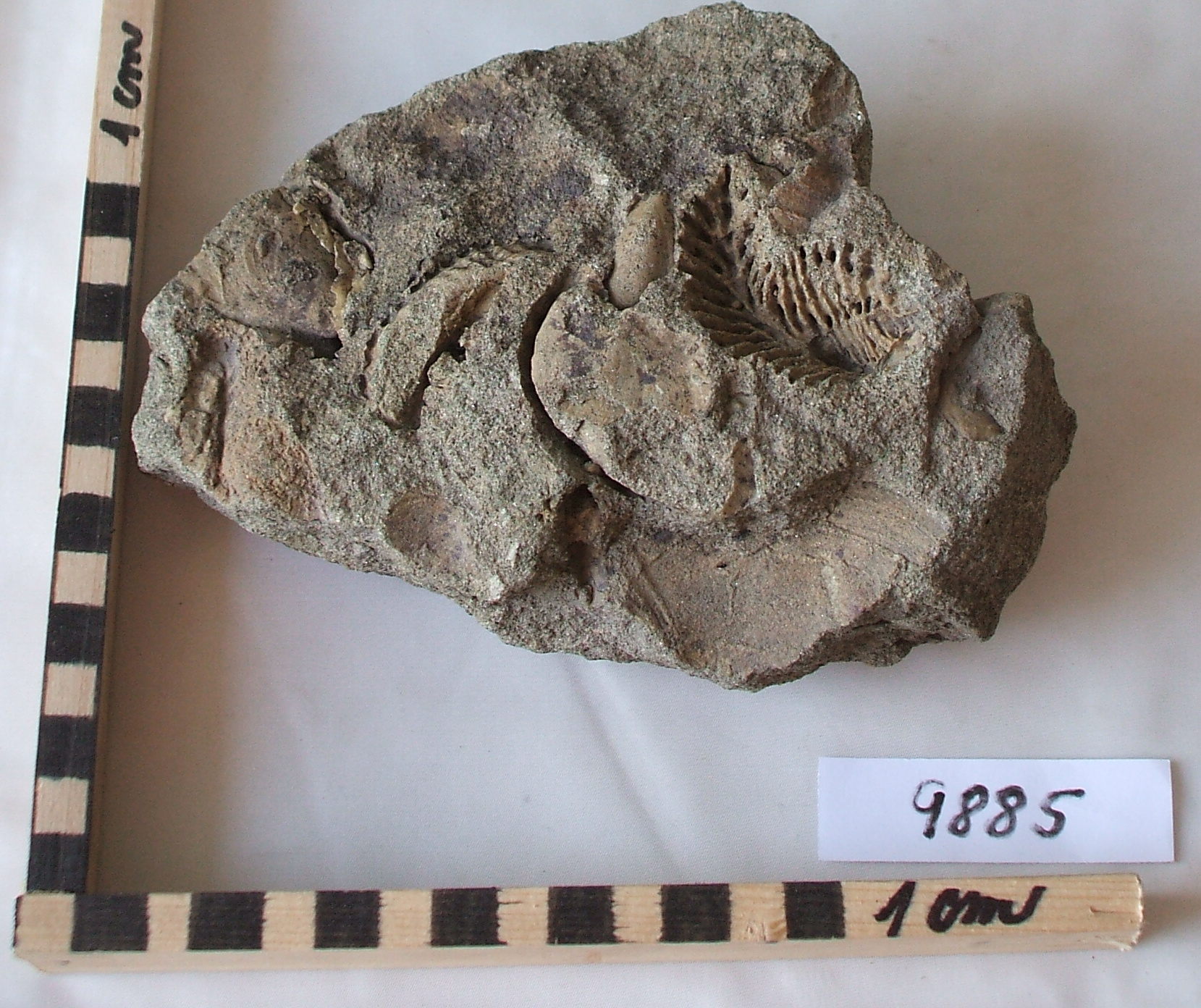
těchto organismů. A stejná situace byla i ve Škrovádu. Ústřice se zde nacházejí hlavně v nejvyšších částech
pískovcových vrstev, tedy v místech, která byla pravděpodobně vzdálena jen pár metrů od pobřeží.
A co to vlastně je?
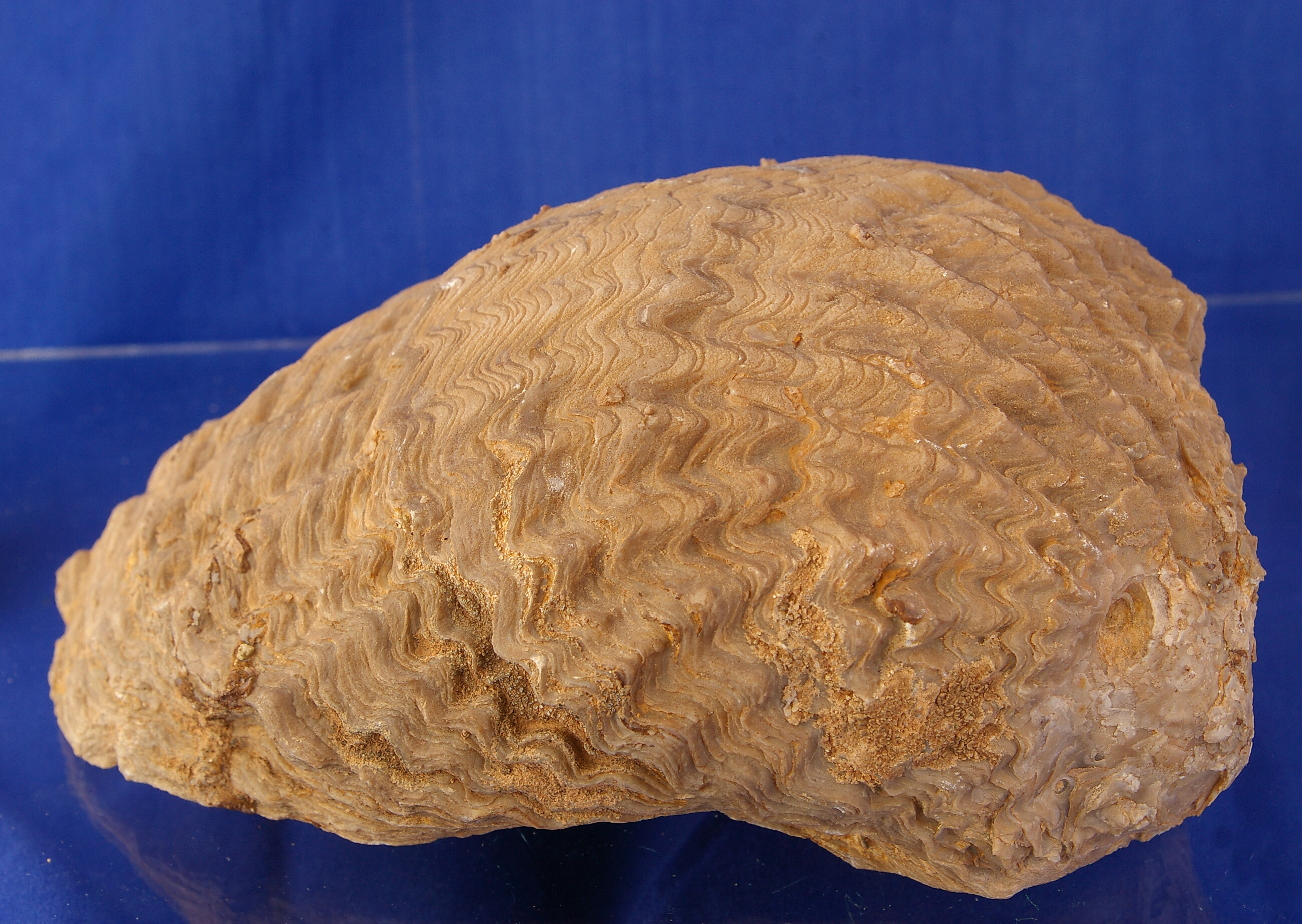
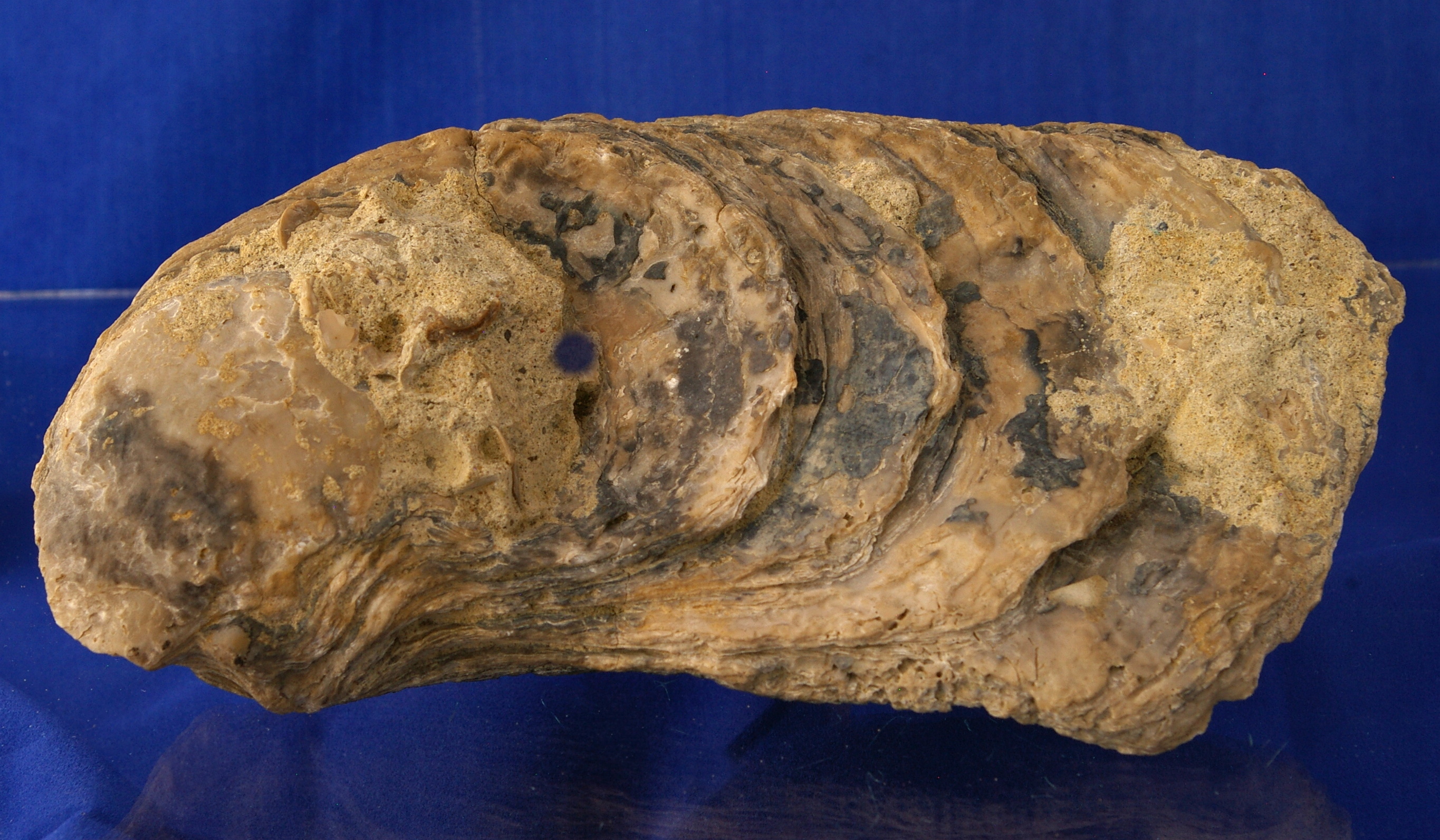
Ústřici zná asi každý. A někdo ji možná i ochutnal. Není ale ústřice jako ústřice. Těch zkamenělých je
hned několik druhů a některé vlastně vůbec nevypadají jako ty, co dnes jíme. Ústřice je výborně vybavena
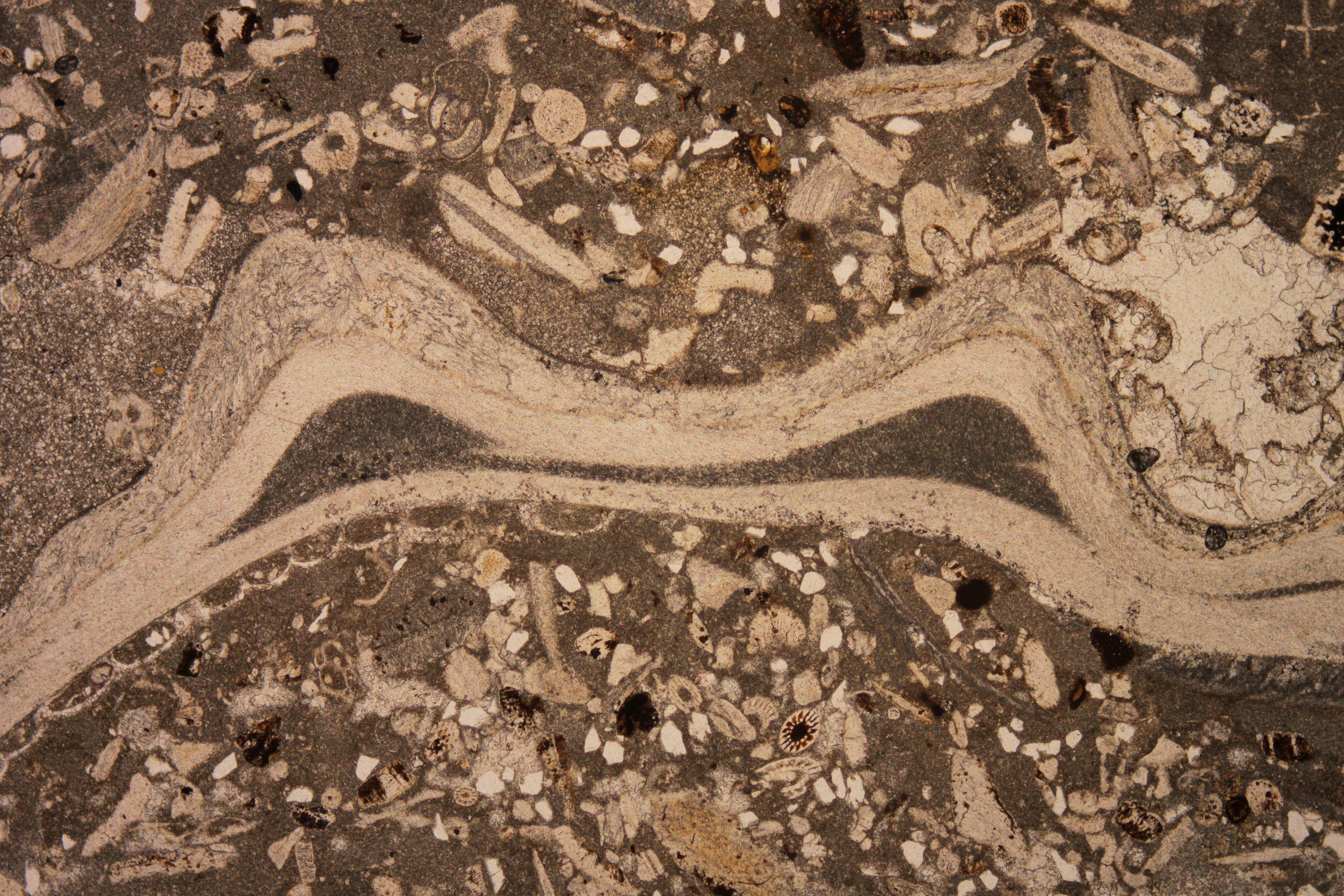
na život na pobřeží, kde vlny rozbíjejí útesy. Má velmi tlustou misku, která odolá i větším kamenům
a díky ní tak může obývat prostředí, které je velmi bohaté na živiny.
Kde se vzaly v Železných horách?
Železné hory jsou téměř ze všech stran lemovány horninami druhohorního stáří a právě od této doby ústřice žijí.
Hojně je můžeme nalézat jak v klidných pískovcích, tak i v příbřežních slepencích. Ke klasickým lokalitám patří Nákle,
Chrtníky, Podskála nebo okolí Smrčku.
Oysters
Why are they so abundant?
When you go to the seaside, look for rocks washed by the sea water. You will
see that much of the marine life visible to you is happening around them. And the majority of those organisms
will be bivalves, which means shells. And you might be right in the place where oysters are the most abundant
of these organisms. And millions of years ago it was the same situation in Škrovád. Today oysters can
be found mainly in the highest parts of the sandstone layers, which were probably only a few feet away from
the coast millions of years ago.
What is it exactly?
You probably all know oysters. And some of you will have eaten them. However, there are many kinds.
There are various species of fossilized oysters and some actually do not look like those we eat today.
Oysters are very well adapted for life on the coast where the waves break cliffs. They have a very thick shell
that can withstand even large stones and therefore are able to inhabit environments abundant in nutrients.
How did they get to the Iron Mountains?
The Iron Mountains are lined with Mezoic age rocks on almost all sides and it is since that time
that oysters have been around. We can find them abundantly in both sandstone and coastal rock formations.
The classic locations include Nákle, Chrtníky, Podskála or Smrček surroundings.